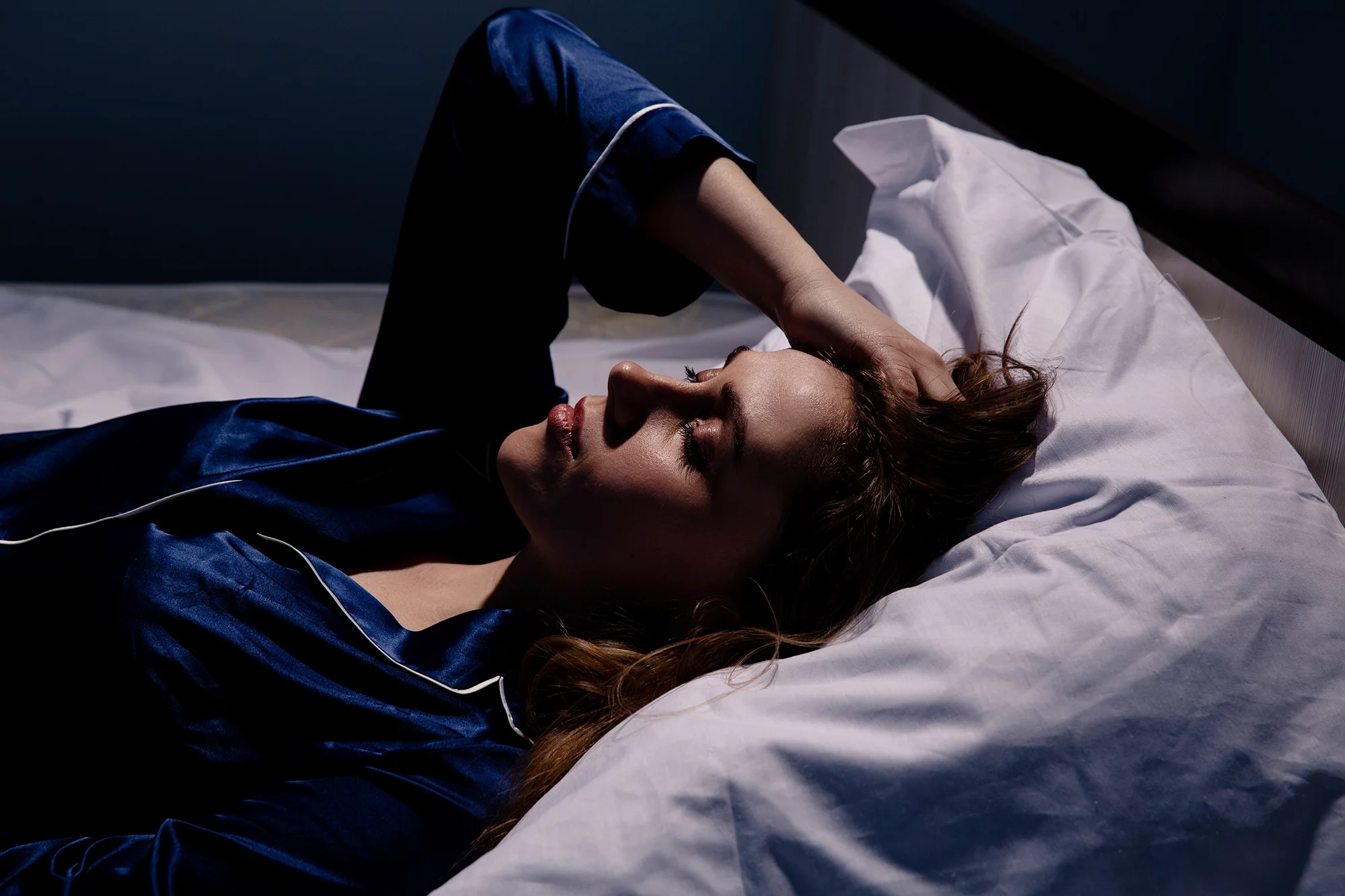
Your heart is pounding. You're gasping for air. It's 2 AM and you just woke up terrified for no reason at all.
Sound familiar? You're not alone in this. Around 11% of Americans experience a panic attack each year. But here's what catches people off guard: if you have panic disorder, there's a 44-71% chance you'll experience one of these episodes while asleep. That's a staggering number when you think about it.
So what's going on here? Nocturnal panic isn't the same as a nightmare. Not even close. These episodes come out of non-REM sleep, usually within the first few hours after you fall asleep. You wake up suddenly. Fully aware. No scary dream triggered it. Just pure panic hitting you like a wave.
The physical stuff mirrors what happens during daytime attacks. Racing heart. Shallow breathing. Sweating. That weird feeling like nothing around you is real. One thing researchers noticed: respiratory symptoms tend to be more intense when panic strikes at night versus during the day.
Nocturnal panic emerges directly from sleep without any dream trigger. That distinction matters. It tells clinicians they're dealing with something different than nightmare-related waking.
Here's the biology piece. During normal non-REM sleep, your parasympathetic system ramps up while sympathetic activity drops. Heart rate slows down. Blood pressure falls. Your body basically enters repair mode. When nocturnal panic hits, that whole balance flips in an instant. Fight-or-flight kicks in during a time your body expects deep rest. Jarring doesn't begin to describe it.
Why does panic even happen during sleep? Good question. The Fear of Loss of Vigilance theory offers one explanation that makes sense. Some people fear being in states where they can't respond to danger. Sleep is exactly that kind of vulnerable state.
Research backs this up. People who experience nocturnal panic show higher intolerance of uncertainty plus elevated responsibility for harm compared to those with daytime-only panic. Something about losing control during sleep seems to trigger these individuals.
Trauma plays a big role too. Get this: 85% of nocturnal panickers reported traumatic events in their history. Compare that to just 28% of people who only panic during the day. Huge difference. Trauma and hypervigilance clearly feed into nighttime vulnerability.
The physiology gets interesting. Sympathetic nervous system activity during actual panic attacks doesn't look like global activation. It's more selective. Epinephrine spillover from the heart runs high in panic disorder patients. But overall sympathetic output at rest stays pretty normal. During episodes, burst amplitude increases rather than firing frequency. Strange pattern.
We asked Dr. Daniel Jin Blum, Sleep Expert, Clinical Psychologist, and Research Assistant Professor of Psychology, to explain these mechanisms. He says: "Sleep transitions can trigger panic in neurologically sensitized individuals." Both psychological factors like catastrophic thinking about body sensations and physiological predisposition seem to be at play.
What makes someone more likely to experience this? A few patterns keep showing up in the research.
Existing anxiety disorders put you at higher risk. Makes sense. Sleep problems run rampant across anxiety diagnoses. If you're already dealing with anxiety during the day, nighttime becomes another battleground.
Poor sleep habits contribute too. Irregular schedules and uncomfortable sleep environments fragment your sleep. Broken sleep architecture means more opportunities for arousal. More arousal means higher panic susceptibility.
Caffeine and alcohol both mess with sleep in different ways. Caffeine cuts into sleep quantity. Alcohol degrades quality. And the caffeine-anxiety connection involves adenosine receptors in your amygdala and other fear-processing areas. Not ideal.
Chronic stress predicts worse sleep quality across the board. It fragments your sleep architecture and sensitizes your panic response. Stress during the day follows you into the night.
If you're constantly waking up feeling unrested, these risk factors deserve attention. The link between sleep anxiety and panic creates a nasty cycle. Fearing attacks makes restful sleep harder. Worse sleep makes attacks more likely. Round and round it goes.
Here's encouraging news. A controlled trial looked at CBT specifically for nocturnal panic. Forty-three people participated. Half got cognitive behavioral therapy right away. Half waited on a control list.
The results were clear. CBT beat doing nothing. Treatment gains lasted through nine months of follow-up. Even better, the improvements weren't just subjective. Participants showed measurably reduced physiological reactivity to stress plus lowered arousal during sleep.
This study was actually the first to validate any treatment specifically for nocturnal panic. The therapy targeted catastrophic misinterpretations of anxiety sensations and conditioned reactions to internal body cues. Both standard CBT and versions adapted for nighttime symptoms reduced nocturnal panic faster than daytime panic. Interesting finding.
CBT-I as an approach tackles multiple factors at once. Sleep restriction, stimulus control, cognitive restructuring, relaxation training. They work together to reduce both sleep disruption and panic frequency.
Preventing these episodes means addressing triggers and underlying vulnerabilities simultaneously. A few approaches have solid evidence behind them.
Regular sleep times support stable circadian rhythms. They also reduce arousal during those vulnerable sleep transitions. Same bedtime. Same wake time. Even on weekends if you can manage it. Your body's sleep drive gets stronger with consistency. The Sleep Reset program walks you through establishing these patterns step by step.
Caffeine affects sleep even when you drink it hours before bedtime. Cutting it off after noon makes a real difference for many people.
Alcohol disrupts your sleep architecture despite making you feel drowsy initially. It increases nighttime awakenings and reduces time in restorative stages.
Building a buffer between your day and sleep helps. Less screen time. Dimmer lights. Calming activities that tell your body rest is coming.
Breathing exercises offer something practical you can actually do. Effective breathing practices share certain features: slow pacing, multiple sessions, and consistent practice over time. Quick five-minute sessions don't work as well. The technique engages your parasympathetic system, directly countering the sympathetic activation behind panic.
We asked Dr. Suzanne Gorovoy, Sleep Expert, Clinical Psychologist, and Behavioral Sleep Medicine Specialist, how to implement this. She says: "Regular breathing practice builds automatic coping responses over time." Diaphragmatic breathing counteracts the hyperventilation pattern typical during panic.
The fight or flight response during sleep can be interrupted deliberately. Long slow exhales activate parasympathetic pathways and signal safety.
Better sleep quality has moderate effects on overall mental health including anxiety. The relationship runs both directions. Managing anxiety improves sleep. Better sleep reduces anxiety. Intervening at either point starts a positive cycle.
Cognitive strategies from CBT help you recognize and change catastrophic interpretations of physical sensations. That racing heart during a sleep transition? Normal autonomic fluctuation. Not a heart attack. Learning this distinction reduces panic triggers. Especially important for nocturnal episodes when your sleeping brain can't apply logic in the moment.
If you deal with ongoing sleep anxiety symptoms, working with a professional provides structure and accountability through evidence-based protocols.
Nocturnal panic attacks deserve clinical attention when they happen frequently or interfere with daily life. Red flags that suggest evaluation:
Getting the right diagnosis matters. Sleep studies and clinical interviews help distinguish nocturnal panic from sleep terrors, apnea, and other conditions with overlapping symptoms.
Treatment options include CBT, medication, or both together. Research supports CBT as first-line because it works relatively quickly and benefits last long-term. Cost-effective too. If you're curious to learn about how CBTI works, read more here!
A personalized approach to sleep addresses your specific patterns and triggers. Programs built with behavioral sleep medicine specialists adapt evidence-based protocols to your situation.
Nocturnal panic attacks affect a significant portion of people with panic disorder. They emerge from non-REM sleep without dreams, triggered by abrupt autonomic nervous system shifts during periods meant for physiological calm.
Risk factors? Anxiety disorders. Trauma history. Poor sleep habits. Caffeine and alcohol. Chronic stress. The Fear of Loss of Vigilance theory explains why certain people remain vulnerable during sleep transitions.
CBT works. The research is solid. Benefits show up in physiological measures and stick around through long follow-ups. Prevention comes down to consistent sleep schedules, better evening habits, regular breathing practice, and addressing underlying anxiety.
Get evaluated if attacks persist or significantly impact your functioning. Effective treatment exists. Most people see real improvement in symptoms and sleep quality with the right intervention.
This article provides educational information only. Consult a healthcare provider for persistent sleep problems or panic attacks. Sleep Reset offers personalized CBT-I based programs developed with experts from Stanford, Yale, and University of Arizona.
.png)
Dr. Neel Tapryal
Dr. Neel Tapryal is a medical doctor with extensive experience helping patients achieve lasting health and wellness. He earned his medical degree (MBBS) and has worked across hospital and primary care settings, gaining expertise in integrative and preventive medicine. Dr. Tapryal focuses on identifying and addressing the root causes of chronic conditions, incorporating metabolic health, sleep, stress, and nutrition into personalized care plans. Driven by a passion for empowering patients to take control of their health, he is committed to helping people live with greater energy and resilience. In his free time, he enjoys traveling, outdoor adventures, and spending time with family and friends.

Fax: +1 (984) 888-8385
Email: help@thesleepreset.com