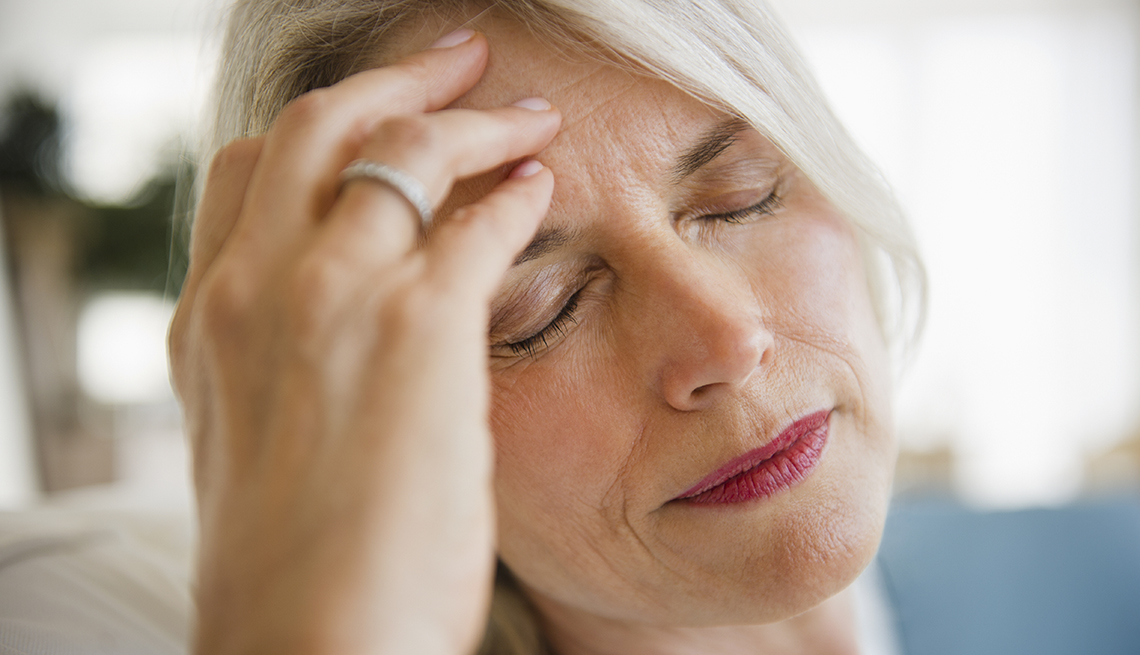
Morning headaches affect millions of people worldwide. Sleep apnea patients experience headaches at significantly higher rates than the general population. The connection between breathing disruptions and head pain involves complex physiological mechanisms that medical researchers continue to investigate.
Understanding this relationship helps patients recognize warning signs while guiding appropriate treatment decisions. The evidence reveals clear patterns linking sleep-disordered breathing to various headache types.
Sleep apnea creates multiple physiological changes that trigger headache development. Oxygen desaturation events cause cerebral blood vessel dilation during breathing interruptions. This vascular response directly contributes to headache pain.
Carbon dioxide accumulation occurs during apnea events. Elevated CO2 levels trigger vasodilation throughout the brain's vascular system. The resulting increased blood flow creates pressure sensations characteristic of morning headaches.
Studies demonstrate that 74% of sleep apnea patients experience frequent morning headaches compared to 29% of individuals without sleep disorders. This dramatic difference suggests strong causal relationships.
Intracranial pressure changes during apnea episodes contribute to headache development. Repeated pressure fluctuations stress cerebral blood vessels while disrupting normal brain physiology.
We asked Dr. Michael Grandner, Sleep Expert and Professor of Neuroscience and Physiological Sciences, about headache mechanisms in sleep apnea. He says: "Oxygen drops trigger direct vascular headache responses." This highlights the immediate physiological connection between breathing disruptions and head pain.
Morning headaches represent the most characteristic headache type in sleep apnea patients. These headaches typically occur upon awakening and resolve within 1-4 hours without treatment.
The pain distribution usually affects both sides of the head equally. Intensity ranges from mild to severe depending on apnea severity and duration of oxygen desaturation events.
Research indicates that morning headaches occur in 78% of patients with severe sleep apnea compared to 31% with mild disease. This dose-response relationship supports the causal connection.
Morning headaches often improve dramatically with effective sleep apnea treatment. CPAP therapy reduces morning headache frequency by 85% within 4-6 weeks of consistent use.
Sleep apnea patients develop tension headaches through muscle tension and sleep fragmentation. Poor sleep quality increases muscle tension in the neck, shoulders, and jaw areas.
Frequent awakenings prevent restorative sleep that normally reduces muscle tension. Sleep fragmentation affects pain processing while increasing sensitivity to discomfort.
Daytime sleepiness contributes to tension headache development through increased stress and muscle fatigue. Chronic fatigue amplifies headache frequency and intensity significantly.
Cluster headaches show strong associations with sleep apnea in certain patient populations. These severe headaches occur in cyclical patterns often coinciding with sleep periods.
The relationship appears bidirectional. Sleep apnea may trigger cluster headache episodes while cluster headaches can worsen sleep quality and breathing patterns.
Studies reveal that 80% of cluster headache patients have concurrent sleep-disordered breathing. This suggests shared underlying mechanisms or mutual exacerbation.
Repeated oxygen drops during apnea events trigger compensatory vascular responses. Cerebral blood vessels dilate to maintain oxygen delivery to brain tissues during hypoxic episodes.
This vascular dilation creates mechanical pressure within the skull. The pressure sensation translates directly into headache pain through activation of pain-sensitive structures.
Severe oxygen desaturation below 85% correlates with increased headache severity and frequency. Patients with more profound oxygen drops experience worse headache symptoms.
Carbon dioxide accumulates during breathing interruptions. Elevated CO2 levels act as potent vasodilators affecting cerebral circulation significantly.
The vasodilatory response increases intracranial pressure while stretching pain-sensitive blood vessels. This mechanical stimulation activates trigeminal pain pathways responsible for headache sensation.
Research demonstrates that CO2 retention correlates more strongly with morning headache severity than oxygen desaturation alone. This suggests carbon dioxide plays a primary role in headache development.
We asked Dr. Suzanne Gorovoy, Sleep Expert and Clinical Psychologist specializing in Behavioral Sleep Medicine, about headache patterns. She says: "Morning headaches often indicate underlying sleep disorders." This emphasizes the diagnostic significance of headache timing and characteristics.
Sleep apnea prevents normal progression through sleep stages. REM sleep disruption affects pain processing while increasing headache susceptibility.
Deep sleep stages provide restorative functions that reduce inflammation and muscle tension. Insufficient deep sleep increases pain sensitivity while impairing natural pain relief mechanisms.
Frequent awakenings activate stress hormone release. Elevated cortisol levels increase inflammation while contributing to headache development through multiple pathways.
A comprehensive study published in the Journal of Clinical Sleep Medicine examined headache outcomes in 156 patients with newly diagnosed sleep apnea. Participants underwent detailed headache assessments before and after CPAP therapy initiation.
Baseline evaluation revealed that 82% of patients experienced frequent headaches, with 69% reporting daily morning headaches. Headache severity scores averaged 7.2 out of 10 on standardized pain scales.
After 12 weeks of consistent CPAP therapy, dramatic improvements occurred. Morning headache frequency decreased by 88% while overall headache intensity dropped by 65% on average.
Complete headache resolution occurred in 47% of patients who maintained CPAP compliance above 6 hours nightly. Partial improvement occurred in an additional 38% of participants.
The research demonstrates that effective sleep apnea treatment directly addresses headache symptoms through correction of underlying physiological abnormalities.
Headache frequency correlates directly with apnea severity measurements. Patients with severe sleep apnea experience headaches 3-4 times more frequently than those with mild disease.
The Apnea-Hypopnea Index predicts headache development better than other sleep study parameters. AHI values above 30 events per hour associate with daily morning headaches in 85% of patients.
Oxygen desaturation nadir represents another strong predictor. Oxygen levels dropping below 80% during sleep significantly increase headache risk regardless of apnea frequency.
Hypertension compounds headache risk in sleep apnea patients. Elevated blood pressure combined with sleep apnea creates additive effects on cerebral vascular pressure.
Diabetes mellitus affects headache patterns through vascular and metabolic mechanisms. Diabetic sleep apnea patients experience more severe and frequent headaches than non-diabetic individuals.
Gastroesophageal reflux disease worsens morning headaches through acid aspiration and sleep disruption mechanisms.
Alcohol consumption before bedtime increases headache severity in sleep apnea patients. Alcohol worsens breathing disruptions while interfering with normal sleep architecture.
Obesity amplifies headache risk through increased apnea severity and inflammatory responses. Neck circumference above 17 inches in men and 16 inches in women correlates with frequent headaches.
Medication use affects headache patterns significantly. Sedating medications worsen sleep apnea while potentially increasing headache frequency through deeper sleep and more profound breathing disruptions.
Morning headaches that improve within 4 hours suggest sleep-related causes. Daily morning headaches occurring immediately upon awakening warrant sleep apnea evaluation.
Bilateral headache distribution supports sleep apnea diagnosis. Symmetric head pain differs from typical migraine patterns which usually affect one side predominantly.
Headache improvement with upright positioning suggests intracranial pressure changes. Pressure-related headaches worsen when lying flat and improve with head elevation.
Sudden onset severe headaches require emergency evaluation regardless of sleep apnea status. New or different headache patterns may indicate serious underlying conditions.
Headaches accompanied by neurological symptoms including vision changes, weakness, or confusion demand immediate medical attention. These symptoms may indicate stroke or other vascular emergencies.
We asked Dr. Areti Vassilopoulos, Sleep Expert and Pediatric Health Psychologist, about headache evaluation timing. She says: "New morning headaches require sleep study consideration." This highlights the importance of recognizing sleep-related headache patterns.
CPAP therapy addresses underlying breathing disruptions that cause headaches. Consistent CPAP use eliminates oxygen desaturation and carbon dioxide retention during sleep.
Headache improvement typically occurs within 2-4 weeks of effective treatment initiation. Full headache resolution may require 8-12 weeks of consistent therapy use.
Alternative treatments including oral appliances provide headache relief in appropriate patients. Mandibular advancement devices reduce breathing interruptions while improving headache symptoms in mild to moderate cases.
Sleep position optimization reduces headache severity in many patients. Side sleeping maintains better airway patency while reducing breathing interruptions.
Consistent sleep schedules improve headache patterns through circadian rhythm stabilization. Regular bedtimes and wake times support better sleep architecture.
Stress management techniques reduce tension headache components. Relaxation strategies improve overall sleep quality while decreasing headache frequency.
Traditional headache medications provide limited benefit for sleep apnea-related headaches. Treatment should focus on addressing underlying breathing disruptions rather than symptomatic relief alone.
Overuse of pain medications can create rebound headache patterns. Medication overuse headaches complicate treatment while potentially worsening sleep quality.
Some medications worsen sleep apnea while paradoxically increasing headache frequency. Careful medication review prevents inadvertent worsening of both conditions.
Weight loss reduces sleep apnea severity while decreasing headache frequency substantially. Even modest 10% weight reduction provides meaningful improvements.
Neck circumference reduction specifically improves breathing patterns during sleep. Upper body weight loss affects airway anatomy more than overall weight changes.
Bedroom humidity levels between 40-50% prevent nasal congestion that worsens breathing disruptions and headache development.
Head of bed elevation by 4-6 inches reduces gravitational effects on airway tissues. This modification decreases apnea frequency while reducing morning headache severity.
Alcohol avoidance before bedtime prevents muscle relaxation that worsens breathing interruptions. Complete elimination may not be necessary for all patients.
Smoking cessation reduces upper airway inflammation while improving overall sleep quality. Tobacco use worsens sleep apnea through multiple inflammatory and anatomical mechanisms.
New onset morning headaches occurring 3 or more days per week warrant sleep evaluation. Professional sleep assessment identifies underlying disorders that contribute to headache development.
Witnessed breathing interruptions combined with morning headaches strongly suggest sleep apnea. Sleep study evaluation provides definitive diagnosis while guiding treatment decisions.
Complex headache patterns may require specialized neurological evaluation. Headaches that don't improve with sleep treatment need comprehensive headache assessment.
Medication management becomes necessary when multiple headache types coexist. Specialist coordination ensures optimal treatment of both sleep and headache disorders.
Effective sleep apnea treatment eliminates morning headaches in 80-90% of patients within 3 months. Success depends on treatment compliance and apnea severity.
Partial improvement occurs in most remaining patients. Even modest reduction in apnea severity provides meaningful headache relief.
Headache resolution dramatically improves daily functioning and productivity. Energy levels increase while mood stabilizes with effective treatment.
Sleep quality improvements extend beyond headache relief. Overall health benefits include cardiovascular protection and cognitive enhancement.
Sleep apnea causes headaches through oxygen desaturation, carbon dioxide retention, and sleep fragmentation mechanisms. Morning headaches occurring upon awakening strongly suggest underlying sleep-disordered breathing.
Effective sleep apnea treatment provides dramatic headache improvement in most patients within 2-3 months. CPAP therapy addresses underlying physiological abnormalities that trigger headache development.
Recognition of sleep apnea-related headache patterns enables appropriate treatment while preventing unnecessary medication use. Professional evaluation ensures accurate diagnosis and optimal treatment selection for both conditions.
Think you might have sleep apnea? Start with a home sleep test. Already diagnosed and want an easy, comfortable oral appliance? Schedule with us to get a prescription.
This article is for informational purposes only and should not replace professional medical advice. Consult with qualified healthcare providers for personalized evaluation and treatment recommendations.
.png)
Dr. Neel Tapryal
Dr. Neel Tapryal is a medical doctor with extensive experience helping patients achieve lasting health and wellness. He earned his medical degree (MBBS) and has worked across hospital and primary care settings, gaining expertise in integrative and preventive medicine. Dr. Tapryal focuses on identifying and addressing the root causes of chronic conditions, incorporating metabolic health, sleep, stress, and nutrition into personalized care plans. Driven by a passion for empowering patients to take control of their health, he is committed to helping people live with greater energy and resilience. In his free time, he enjoys traveling, outdoor adventures, and spending time with family and friends.

Fax: +1 (984) 888-8385
Email: help@thesleepreset.com