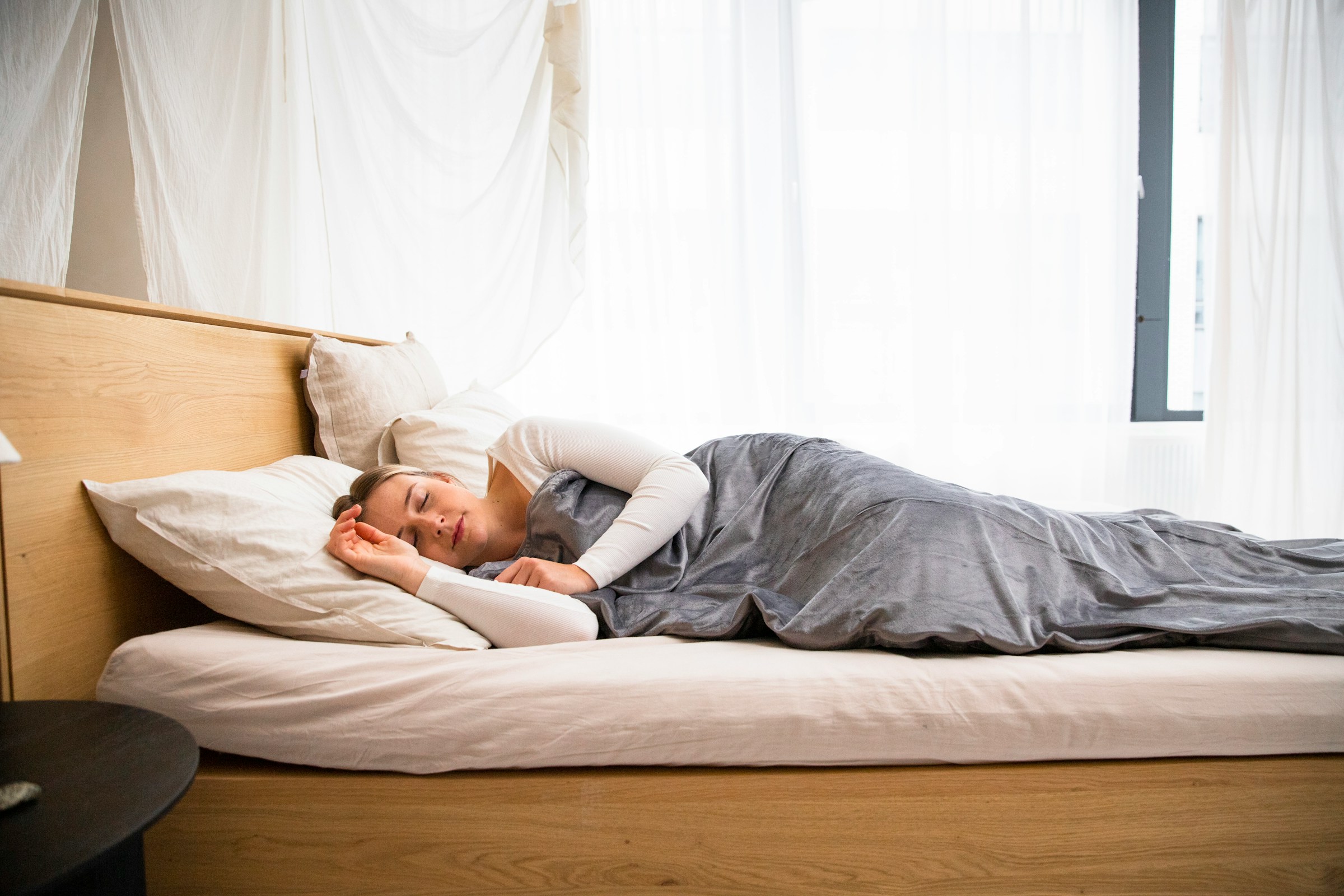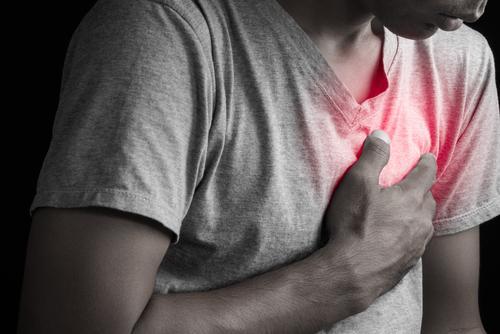
This is one of those things no one really warns you about. You’re in bed, trying to relax, and out of nowhere your heart feels off. Not painful, just unsettling enough to make your mind spiral.
Here's the thing - you're definitely not alone with this. About 18% of adults get anxiety-related heart palpitations specifically at night. Almost one in five. So when should you actually worry versus when is it just sleep anxiety messing with you?
So palpitations show up differently for different people. Sometimes your heart feels like it's sprinting even though you're completely still. Other times it's this flutter thing. Or beats so forceful you'd think everyone nearby must hear them.
And nighttime? That's when everything gets amplified. All the daytime noise fades, and suddenly you're hyperaware of every little sensation in your chest. There's actual research on how cardiac symptom awareness spikes when things get quiet. Makes sense why bedtime becomes such a problem for people dealing with sleep anxiety.
People describe it as:
Lying down makes it all more noticeable too. Not in your head - your body position actually changes blood flow patterns and how aware you are of what your heart's doing. Palpitations genuinely hit different when you're horizontal versus moving around during the day.
Sleep anxiety kicks off this whole chain reaction. Your nervous system can't tell the difference between a real threat and something you're just worried about. When anxiety shows up at bedtime, your fight-or-flight system activates even though the only "danger" is maybe an early meeting tomorrow.
This system evolved to save us from actual predators. Now it just keeps us awake stressing about stuff that probably won't even happen.
We asked Dr. Michael Grandner, Professor of Neuroscience and Physiological Sciences, about what's happening here. He says: "Anxiety activates fight-or-flight, causing heart rate changes and sleep disruption." Anyone who's dealt with nighttime panic already knows this from experience.
But here's where it gets tricky. Anxiety causes palpitations. Then feeling those palpitations makes your anxiety worse. You end up in this feedback loop that's hard to break. Research shows people who monitor their heartbeat closely experience worse anxiety. The more you focus on it, the worse everything gets.
A few things explain why sleep anxiety affects your heart:
Stress Hormones Get Released: Anxiety triggers adrenaline and noradrenaline release. These speed up your heart and make each beat stronger. Even after the anxious thought passes, the hormones stick around for a bit.
Your Breathing Changes: When you're anxious in bed, breathing often speeds up without you realizing it. Hyperventilation messes with your blood chemistry and can throw off heart rhythm. Which feels unsettling. Which makes you more anxious. Which makes you breathe faster. See the problem?
Cortisol Levels Go Off Schedule: Chronic sleep anxiety disrupts your cortisol patterns throughout the day. When cortisol's high at night (when it shouldn't be), it interferes with how your heart normally regulates itself. Makes palpitations way more likely.
This stuff matters because it helps you tell the difference between anxiety-induced palpitations and actual heart problems. If you're struggling with chronic insomnia, understanding what's anxiety versus what's medical becomes super important.
Not every nighttime palpitation is just anxiety. Some situations need medical attention now.
Get help right away if:
Certain patterns need cardiac evaluation. Like if your heart's racing over 120 beats per minute and staying there. Or irregular rhythms happening a lot. Symptoms plus dizziness or weakness.
We asked Dr. Shiyan Yeo, Internal Medicine Physician and Sleep Medicine Expert, when someone should get checked out. She says: "New palpitations with exertional symptoms need prompt cardiac assessment." Especially true if you're over 40, have high blood pressure, diabetes, family history of heart stuff.
Doctors have tools to evaluate what's going on with nighttime palpitations. Holter monitors record your heart for 24 hours, capturing whatever happens at night. A lot of times, testing shows that the scary-feeling palpitations are just normal sinus tachycardia from anxiety rather than dangerous arrhythmias.
Blood work checks thyroid, electrolytes, anemia, stimulant levels. All of these can mimic or make sleep anxiety symptoms worse.
There's this important study from the Journal of Clinical Sleep Medicine that looked at nighttime heart patterns in people with generalized anxiety disorder. They monitored 156 people using full sleep studies plus continuous heart monitoring.
Results were pretty striking. People with anxiety showed 47% more heart rate variability disruptions at night compared to non-anxious people. But - and this is key - the variability didn't mean heart disease. Just overactive stress responses during sleep transitions.
What's really interesting? When researchers explained to participants how anxiety causes these benign palpitations, anxiety symptoms dropped 34% over eight weeks. Just knowing what was happening helped. Lines up with other research showing cognitive approaches targeting health anxiety improve sleep.
People with sleep anxiety pick up on body sensations most folks completely ignore. They're tuned into every flutter, every slightly irregular beat, everything. This hypervigilance applies especially to heart sensations, so normal heart function starts feeling alarming.
Dr. Suzanne Gorovoy, Clinical Psychologist and Behavioral Sleep Medicine Specialist, talks about this. She says: "Anxious individuals amplify normal cardiac sensations, creating distress." Explains why breaking out of sleep anxiety means working on both the physical stuff and the psychological patterns.
Your bedroom doesn't help either. Silence makes your heartbeat louder. Darkness removes anything else to focus on. Everything about nighttime makes you more aware of sensations you'd totally ignore during the day.
You develop these coping strategies. Check your pulse every few minutes. Avoid lying on your left side because that's where you feel the heartbeat more. Keep your phone right there to call 911. Sleep propped up. Constantly monitor heart rate with your fitness watch.
Feels like you're protecting yourself, right? But these behaviors usually backfire. Studies show safety behaviors keep anxiety going because you never learn your fears won't actually happen. You don't get the chance to see that palpitations resolve without any intervention.
Managing this stuff needs several different approaches. There's no one magic solution.
CBT-I goes after the thoughts and behaviors maintaining insomnia. For sleep anxiety, that means challenging those catastrophic thoughts about what palpitations mean. Studies show CBT-I reduces anxiety alongside improving sleep, which is why it's considered first-line treatment.
You work on cognitive restructuring around health fears, exposure to the sensations you're afraid of, relaxation training, sleep restriction to build up sleep pressure. Research shows CBT-I creates lasting changes without medication side effects.
A few evidence-based techniques help regulate your stress response. Slow breathing exercises reduce stress activation and can actually stop anxiety-triggered palpitations. You breathe around 6 breaths per minute - slower than feels natural at first.
Progressive muscle relaxation works too. Systematically tensing then releasing muscle groups decreases arousal. Takes some practice but gets more effective the more you do it.
Small changes often make a big difference. Cutting back on caffeine is huge. Caffeine hangs around with a 5-6 hour half-life. That 3pm coffee? Still in your system at bedtime. Lots of people see fewer palpitations after stopping caffeine by noon.
When you exercise matters. Hard workouts close to bedtime increase arousal and heart rate. Moving workouts earlier helps.
Alcohol's tricky. Yeah, it relaxes you initially. But alcohol messes with sleep architecture and increases heart rate variability overnight.
Optimizing where you sleep supports better rest and less anxiety. Temperature's probably the most important factor. Aim for 60-67°F in your bedroom. Cooler temps help you fall asleep.
Sound matters too. Complete silence sometimes makes you more aware of your heartbeat. Some people do better with white noise that masks cardiac sounds without being stimulating.
Light's another factor. Blue light suppresses melatonin, pushing back when you can fall asleep. Blue light filters after sunset help, or just avoiding screens before bed.
If nighttime palpitations and sleep anxiety keep happening, you probably need professional evaluation. Signs it's time:
Dr. Samantha Domingo, Clinical Health Psychologist, talks about how timing matters. She says: "Early treatment prevents chronic insomnia patterns from becoming entrenched." Research backs this - earlier treatment gets better results.
Programs like Sleep Reset combine education, behavioral changes, and ongoing support in a structured way. Really helpful for complex sleep-anxiety interactions.
Nighttime anxiety and heart palpitations are super common. Most palpitations caused by sleep anxiety aren't dangerous, though you do need to know the warning signs for when something's actually wrong.
Good treatments exist. Cognitive behavioral therapy for insomnia addresses both sleep and anxiety at the same time. Techniques to regulate your nervous system help. Lifestyle changes reduce triggers.
Understanding the mechanics behind nighttime palpitations often makes them less frightening. When you realize anxiety's just activating normal stress responses rather than signaling heart disease, the sensations lose some of their power.
If it keeps happening, get help. Sleep coaching and structured programs give you personalized strategies for your specific patterns.
This article gives you general information about nighttime anxiety and heart palpitations - not medical advice. If you've got concerning cardiac symptoms, get evaluated by qualified healthcare providers. For persistent sleep anxiety, check out evidence-based treatment options through programs like Sleep Reset. If you're curious to learn about how CBTI works, read more here!
.png)
Dr. Neel Tapryal
Dr. Neel Tapryal is a medical doctor with extensive experience helping patients achieve lasting health and wellness. He earned his medical degree (MBBS) and has worked across hospital and primary care settings, gaining expertise in integrative and preventive medicine. Dr. Tapryal focuses on identifying and addressing the root causes of chronic conditions, incorporating metabolic health, sleep, stress, and nutrition into personalized care plans. Driven by a passion for empowering patients to take control of their health, he is committed to helping people live with greater energy and resilience. In his free time, he enjoys traveling, outdoor adventures, and spending time with family and friends.

Fax: +1 (984) 888-8385
Email: help@thesleepreset.com